Long term care insurance is designed to cover extended medical and personal care services that are not typically paid for by traditional health insurance. For nursing homes and assisted living facilities, this coverage plays a critical role in ensuring residents receive the care they need without exposing the facility to unnecessary financial risk.
Operators are often asked questions such as:
- Does long term care insurance cover nursing home stays?
- Does long term care insurance pay for assisted living?
- What insurance covers long term nursing home care?
The answer depends on the policy structure, benefit triggers, and facility eligibility. However, properly structured long term nursing home care insurance and long term care insurance coverage for assisted living can provide substantial financial protection for both residents and facilities.
For senior living operators, understanding how long term care insurance works is not optional. It is part of responsible risk management.
Why Long Term Care Insurance Matters for Nursing Homes and Assisted Living Facilities

Senior living communities face rising costs, increasing regulatory oversight, and growing litigation exposure. Long term care insurance helps stabilize financial risk in several ways:
- Covers extended skilled nursing and custodial care
- Supports reimbursement for assistance with activities of daily living
- Reduces reliance on private pay or asset depletion
- Protects revenue streams tied to long-term residents
When families ask, will long term care insurance pay for assisted living, the facility’s ability to accept properly structured policies can directly impact occupancy and financial predictability.
Key Factors Operators Should Evaluate
When assessing long term care insurance for nursing home or assisted living settings, administrators should review:
- Cost of care in their state and region
- Level of services offered, including memory care and skilled nursing
- Resident acuity profile
- State regulatory requirements
- Claims history and litigation exposure
Insurance for assisted living long term care must align with the facility’s service model. A mismatch between coverage design and operational risk can leave dangerous gaps.
Understanding Long Term Care Insurance Coverage for Facilities
Not all policies are equal. Facility owners must understand how coverage is structured and how it responds to risk.
At PLI Consultants, long term care coverage is designed specifically for senior communities. It serves as a financial safety net for operators navigating complex liability and care environments.
Eligible Risk Classes
Coverage may extend to:
- Independent Living Facilities
- Assisted Living Facilities
- Intermediate Care Facilities
- Skilled Nursing Facilities
- Continuing Care Retirement Communities
This breadth is essential for operators managing multi-level campuses.
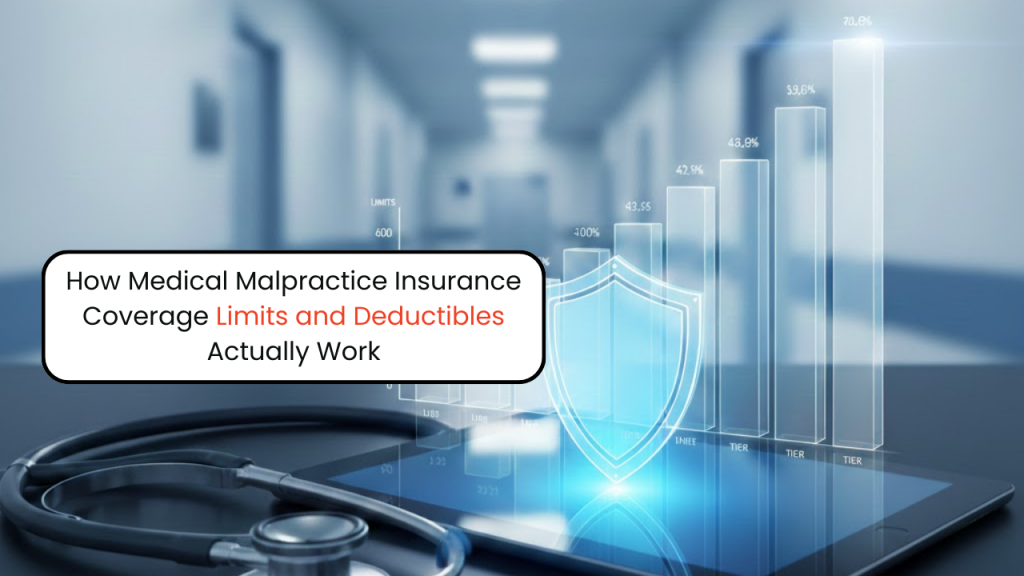
Coverage Limits and Deductibles
Typical structures include:
- $1,000,000 per claim and $3,000,000 aggregate limits for professional and general liability
- Separate limits per location
- Multiple deductible options based on risk appetite
Understanding limits is critical. A single severe claim involving resident injury, neglect allegations, or wrongful death can exceed inadequate policy limits.
Specialized Expertise Matters
PLI Consultants works with healthcare professional liability specialists experienced in underwriting, risk management, and claims defense for senior living facilities. That expertise is particularly important in long term care insurance for assisted living environments, where claims often involve falls, medication errors, supervision issues, or cognitive impairment cases.
Does Long Term Care Insurance Cover Nursing Homes and Assisted Living?

Long-term care insurance generally covers care provided in nursing homes and assisted living facilities, as long as the policyholder meets eligibility requirements such as needing help with daily living activities or having a qualifying medical condition. Coverage limits and benefit periods depend on the specific policy.
Does long term care insurance cover nursing home care?
In most cases, yes. Long term care insurance for nursing home settings typically covers:
- Room and board
- Skilled nursing services
- Assistance with activities of daily living
- Rehabilitation services tied to long-term custodial care
However, benefit triggers must be met. These usually include the inability to perform two or more activities of daily living or cognitive impairment.
Does long term care insurance pay for assisted living?
Many policies include long term care insurance coverage for assisted living, provided the facility is licensed and meets policy definitions. When families ask, will long term care insurance pay for assisted living, the answer depends on:
- Daily benefit amount
- Elimination period
- Policy maximums
- Whether the facility qualifies under the contract language
Facilities that understand policy mechanics are better positioned to assist residents during claims.
How Long Term Care Insurance Protects Your Facility
Long term care insurance does more than reimburse resident care. It plays a broader risk-management role.
1. Revenue Stability
Residents with properly structured long term nursing home care insurance are less likely to default on payments due to asset depletion. This protects occupancy and long-term revenue.
2. Litigation Defense and Liability Protection
Senior living facilities face increasing professional liability exposure. Claims may arise from:
- Alleged neglect or inadequate supervision
- Falls resulting in fractures
- Pressure injuries
- Medication administration errors
- Wrongful death allegations
Well-structured long term care coverage works in conjunction with broader liability protections to shield the facility from catastrophic financial loss.
If your operation also requires medical facility insurance or malpractice protection, coordinated coverage design is critical to avoid gaps between policies.
3. Reinvestment into Quality of Care

Competitive rates and efficient underwriting allow facilities to redirect capital toward:
- Staffing improvements
- Risk management programs
- Clinical training
- Facility upgrades
When insurance is structured strategically rather than purchased reactively, it becomes a financial tool rather than just an expense.
Cost Considerations and Buying Strategy
Premiums for long term care insurance vary significantly based on risk profile.
Key pricing factors include:
- Number of beds
- Type of services offered
- Claims history
- State litigation environment
- Staff-to-resident ratios
- Loss control programs
Operators should avoid focusing solely on premium. Instead, evaluate:
- Claims handling reputation
- Financial strength of the carrier
- Deductible structure
- Aggregate limits
- Defense cost treatment
The most effective approach is to request a comprehensive policy review and risk assessment. Reviewing your current policy often reveals opportunities for better pricing or improved coverage terms.
Integrating Long Term Care Insurance into Your Risk Strategy

Long term care insurance should not operate in isolation. It should align with:
- Medical facility insurance
- Professional liability coverage
- Tail coverage planning if claims-made policies are involved
- Broader enterprise risk management strategies
Facilities that treat insurance as part of a structured financial strategy are more resilient during claims events and regulatory scrutiny.
Long Term Care Insurance Is a Strategic Asset
Long term care insurance is not simply a reimbursement tool. For nursing homes and assisted living facilities, it is a core component of operational stability and liability protection.
Understanding what insurance covers long term nursing home care, whether long term care insurance pays for assisted living, and how policies respond to real-world claims empowers operators to make informed decisions.
Senior living communities operate in a high-risk, high-responsibility environment. Properly structured long term care insurance provides:
- Financial predictability
- Legal protection
- Resident confidence
- Operational continuity
Facilities that proactively evaluate and optimize their long term care coverage position themselves to protect both their residents and their long-term financial health.
For senior living operators seeking customized long term care coverage designed specifically for their facility type and risk profile, a structured policy review with PLI Consultants is the next strategic step. Request a customized quote today to evaluate your current coverage and identify potential improvements.
Frequently Asked Questions (FAQs)
1. What is long-term care insurance for nursing homes and assisted living facilities?
Long-term care insurance for facilities is a specialized liability and risk protection policy designed to protect nursing homes and assisted living centers from financial losses related to resident care. It typically covers professional liability, general liability, abuse claims, medical negligence, and regulatory defense. It safeguards the facility’s assets, reputation, and operational continuity.
2. How does long-term care insurance protect nursing homes from lawsuits?
Long-term care insurance protects nursing homes by covering legal defense costs, settlements, and judgments related to resident injury, neglect, medication errors, falls, or wrongful death claims. It reduces financial exposure and ensures the facility can continue operating without severe financial disruption.
3. Does long-term care insurance cover malpractice claims in assisted living facilities?
Yes. Most policies include professional liability coverage, which protects against malpractice allegations involving caregivers, nurses, or administrative staff. This includes claims of improper care, failure to monitor residents, medication errors, or negligence.
4. What risks do nursing homes face without long-term care insurance?
Without long-term care insurance, nursing homes face direct financial exposure from lawsuits, regulatory fines, defense costs, abuse allegations, and resident injury claims. A single claim can threaten facility assets, licensing status, and long-term financial stability.
5. Is long-term care insurance mandatory for assisted living facilities?
Requirements vary by state, but many jurisdictions require assisted living facilities to carry minimum liability coverage. Even where not legally required, insurance is often contractually required by lenders, partners, and regulatory bodies.
6. Can long-term care insurance cover abuse and neglect claims?
Yes. Most comprehensive policies include abuse and molestation coverage, which protects facilities against allegations of physical, emotional, or financial abuse involving residents. This is one of the highest-risk exposure areas for long-term care operators.
7. How does long-term care insurance help with regulatory investigations?
If a facility faces state inspections or regulatory investigations, insurance may cover legal defense expenses, documentation support, and representation. This protects against financial strain during compliance disputes.
8. How are long-term care insurance premiums determined?
Premiums are based on:
- Facility size (number of beds)
- Staff-to-resident ratio
- Claims history
- Services provided (memory care, skilled nursing, etc.)
- State regulations
- Risk management practices