
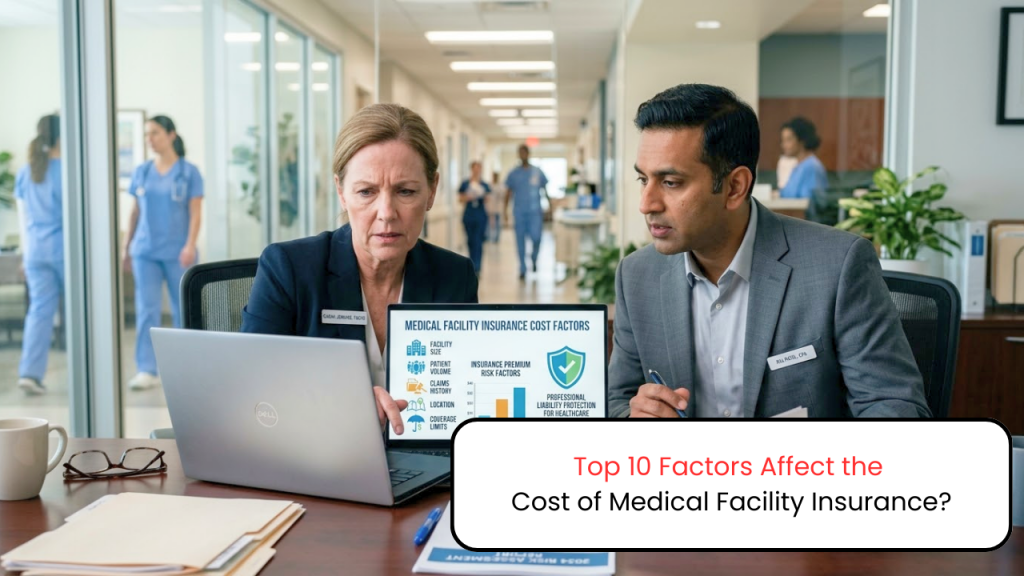
The cost of medical facility insurance depends on several risk-based factors, including the type and size of the facility, services provided, geographic location, claims history, coverage limits, and risk management practices. Facilities with higher patient volume, complex procedures, or prior malpractice claims usually pay higher insurance premiums.
Importance of Medical Facility Insurance for Hospitals, Clinics, and Healthcare Centers
Protects against malpractice and liability claims: Medical facility insurance helps hospitals, clinics, and healthcare centers cover legal costs, settlements, and damages related to patient injuries, medical errors, or malpractice claims.
Safeguards financial stability: Without proper liability insurance for medical facilities, a single lawsuit or claim could lead to significant financial loss or operational disruption.
Ensures regulatory and legal protection: Comprehensive professional liability insurance for medical facilities helps organizations manage compliance risks and legal disputes.
Covers property damage and equipment loss: Medical facility insurance protects buildings, medical equipment, and essential assets from risks like fire, theft, or natural disasters, ensuring quick recovery.
Provides coverage for employee-related risks: It helps manage claims related to staff injuries, workplace incidents, or negligence, supporting a stable and secure work environment.
Supports business continuity during disruptions: Insurance coverage can help facilities recover lost income and maintain operations during unexpected interruptions such as disasters or system failures.
Enhances patient trust and credibility: Being properly insured demonstrates professionalism and reliability, increasing patient confidence in the healthcare facility.
Protects against cyber threats and data breaches: With the rise of digital healthcare systems, insurance that includes cyber liability coverage helps manage risks related to data breaches, legal penalties, and recovery costs.
Why Insurance Costs Vary Widely Between Facilities
Different risk exposure levels: The cost of medical facility insurance depends on the type of services offered, patient volume, and overall risk level of the facility.
Claims history and operational structure: Facilities with prior malpractice claims or higher operational risks often pay higher premiums.
Variation in facility size and specialties: Larger hospitals or facilities performing complex procedures typically require broader medical facilities insurance, which increases costs.

For healthcare administrators and practice owners, understanding the factors that affect the cost of medical facility insurance is essential for effective budgeting and long-term risk management.
By knowing what insurers evaluate, such as facility size, services offered, and claims history, organizations can make smarter decisions about coverage levels, safety protocols, and operational practices that influence premiums.
Working with experienced advisors like PLI Consultants can also help healthcare facilities evaluate policy options, strengthen risk management strategies, and secure the most appropriate professional liability insurance for medical facilities.
10 Factors Affect the Cost of Medical Facility Insurance

1. Type of Medical Facility
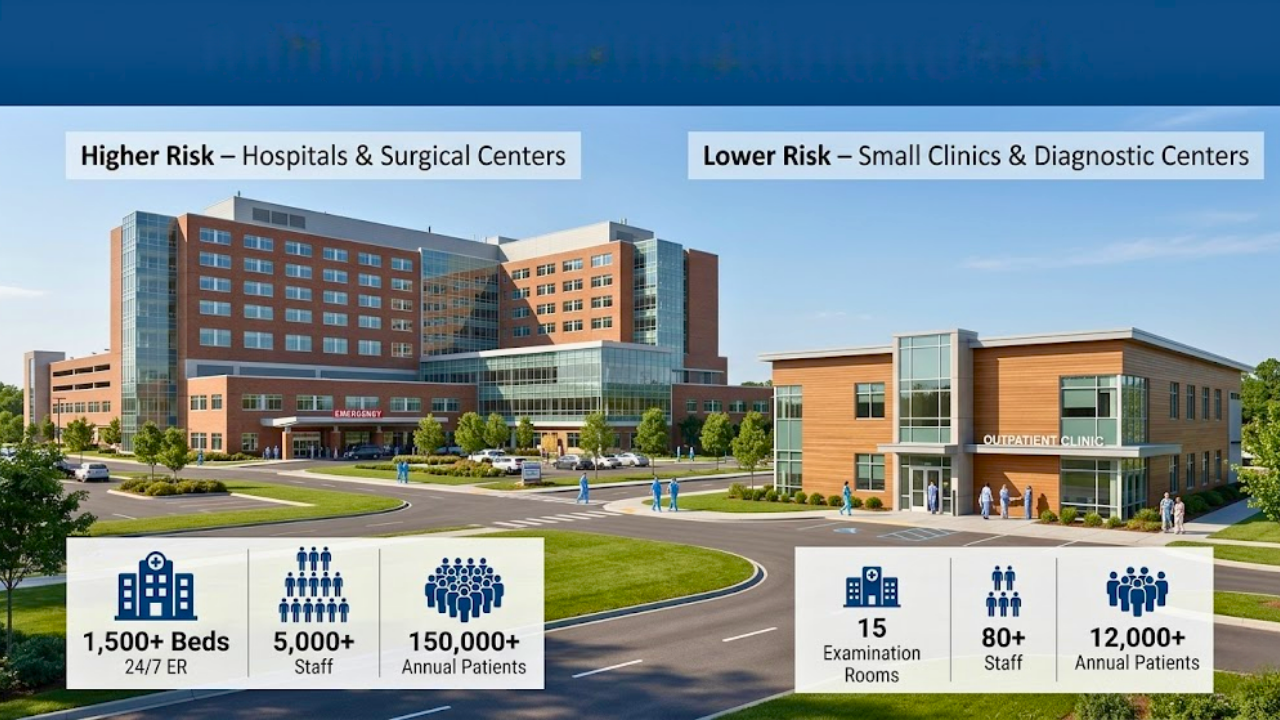
One of the primary factors affecting the cost of medical facility insurance is the type of healthcare organization seeking coverage. Insurance companies categorize facilities based on the level of medical risk involved in their services.
For example, large hospitals and surgical centers typically face higher liability exposure than smaller outpatient clinics or diagnostic laboratories. Facilities that perform invasive procedures or complex treatments have a greater likelihood of malpractice claims, which increases the need for comprehensive professional liability insurance for medical facilities.
Specialized facilities, such as maternity centers or trauma hospitals, may also have higher premiums because the procedures they perform carry more potential for complications and legal disputes.
2. Size of the Facility
The size of a healthcare organization also plays a major role in determining the cost of medical facility insurance. Insurers usually evaluate several operational indicators, including the number of patient beds, healthcare providers, and annual patient visits.
Large medical groups with multiple departments and extensive staff generally have a higher risk of patient incidents. As a result, they require broader liability insurance for medical facilities, which leads to higher premiums.
In contrast, smaller clinics with fewer staff members and lower patient volume may qualify for lower insurance costs because their exposure to malpractice claims is more limited.
3. Services and Medical Specialties Offered
The specific services provided by a facility are another important factor insurers consider. Certain medical specialties are statistically associated with higher malpractice risk.
Departments such as surgery, obstetrics, emergency medicine, and anesthesiology often carry higher liability exposure because procedures are complex and patient outcomes may be unpredictable. Facilities offering these services usually pay more for medical facilities insurance compared to clinics focused on routine care or diagnostics.
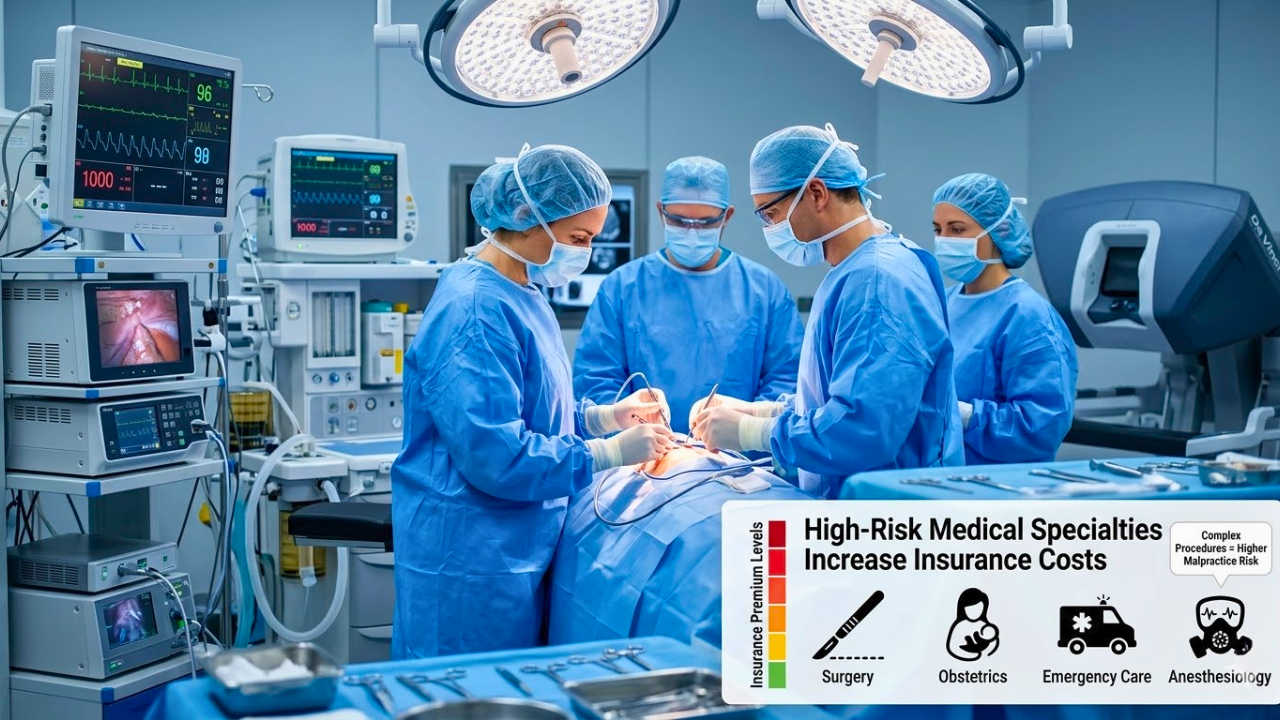
Additionally, facilities that perform advanced procedures or specialized treatments may need higher policy limits, which further increases the cost of medical facility insurance.
4. Geographic Location
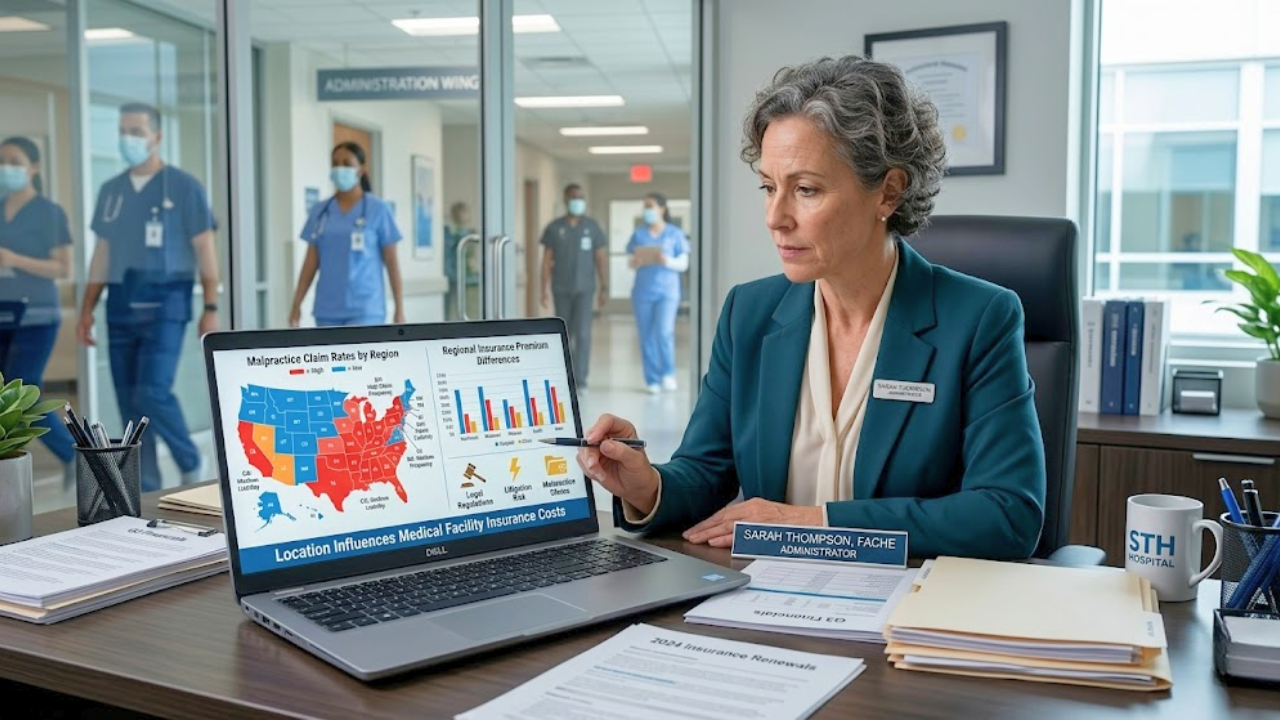
Location plays a major role in determining the cost of medical facility insurance because malpractice laws and litigation trends vary by state. Insurance providers review the legal climate and claim frequency in specific markets such as Florida, Georgia, and Tennessee before setting premiums.
States with higher malpractice claim rates may have more expensive professional liability insurance for medical facilities, while regions with tort reform laws or damage caps can help lower overall liability insurance for medical facilities.
5. Claims History of the Facility
A facility’s past claims record is one of the most influential malpractice insurance factors used by insurers. Facilities with a history of malpractice lawsuits or liability claims are typically considered higher risk.
Insurance providers review both the frequency and severity of past claims when calculating premiums. Multiple claims or large settlement amounts may result in significantly higher insurance costs or stricter policy terms.
On the other hand, healthcare facilities that maintain a clean claims record often receive more favorable pricing and may qualify for discounts on medical facility insurance.
6. Coverage Limits and Policy Structure
The structure of the policy and the coverage limits selected can significantly affect the cost of medical facility insurance. Facilities that choose higher coverage limits usually pay higher premiums because the insurer takes on greater financial risk. Policy type also matters, as many organizations choose between claims-made and occurrence policies. Claims-made policies often start with lower premiums but may require additional protection, such as tail coverage, when the policy ends.
Working with experienced advisors like PLI Consultants can help healthcare facilities select the right policy structure and secure the most suitable professional liability insurance for medical facilities while managing long-term costs.
7. Number and Experience of Medical Staff
Insurance companies also consider the qualifications and experience of healthcare professionals working at the facility. Highly trained physicians, certified specialists, and experienced nurses can reduce overall risk because they are less likely to make medical errors.
Facilities that invest in staff training, continuing education, and credential verification often present a stronger risk profile to insurers. As a result, they may receive more competitive pricing for liability insurance for medical facilities.
Conversely, facilities with high staff turnover or limited professional oversight may face higher insurance premiums.
8. Risk Management and Safety Programs
Strong risk management practices can significantly reduce the cost of medical facility insurance. Insurance providers often review safety protocols and internal systems designed to prevent medical errors.
Examples of effective risk management include patient safety programs, clinical training initiatives, incident reporting systems, and electronic health record monitoring. Facilities that actively implement these measures demonstrate a commitment to reducing liability risks.
Because of this, insurers may offer lower premiums or policy discounts for facilities with well-documented risk management strategies.

9. Patient Volume and Operational Hours
The number of patients treated by a facility also affects insurance costs. Facilities with high patient traffic naturally face greater exposure to potential incidents, errors, or malpractice claims.
Hospitals and urgent care centers that operate 24 hours a day often treat a large number of patients in time-sensitive situations. This increases the likelihood of complications, which can raise the cost of medical facility insurance.
Lower-volume clinics or specialized facilities may experience fewer claims simply because they treat fewer patients, which can lead to more affordable premiums.
10. Legal and Regulatory Environment
The legal climate in a particular region also influences malpractice insurance factors for healthcare organizations. States with strict regulatory oversight, complex compliance requirements, or high litigation rates may have higher insurance costs.
Damage caps, tort reform laws, and patient compensation programs can all influence the overall risk environment. Facilities located in jurisdictions with more favorable legal protections for healthcare providers may benefit from lower premiums for medical facilities insurance.
Understanding these legal variables is essential when evaluating the long-term cost of liability insurance for medical facilities.
How Medical Facilities Can Reduce Insurance Costs?
- Implement strong risk management practices
- Maintain a clean claims history
- Compare quotes from multiple insurers
- Adjust coverage limits strategically