Top Most-Sued Medical Specialties and Their Impact on Malpractice Insurance Costs
Table of Contents
Medical malpractice lawsuits are concerning for those in healthcare owing to the potential financial and reputational losses. Reviewing statistical data on malpractice litigation across specialties helps clarify the associated risks. Several factors, including the complexity of medical procedures, patient outcomes, and the tendency for certain treatments to lead to litigation, play a role in the varying rates of malpractice claims across specialties. Doctors in high-risk specialties must manage these risks while maintaining high-quality care.In this blog, we’ll explore the medical fields that are sued the most, the reasons behind these lawsuits, and how these risks impact the costs of malpractice insurance.
Top 5 Leading Causes of Death in the U.S.
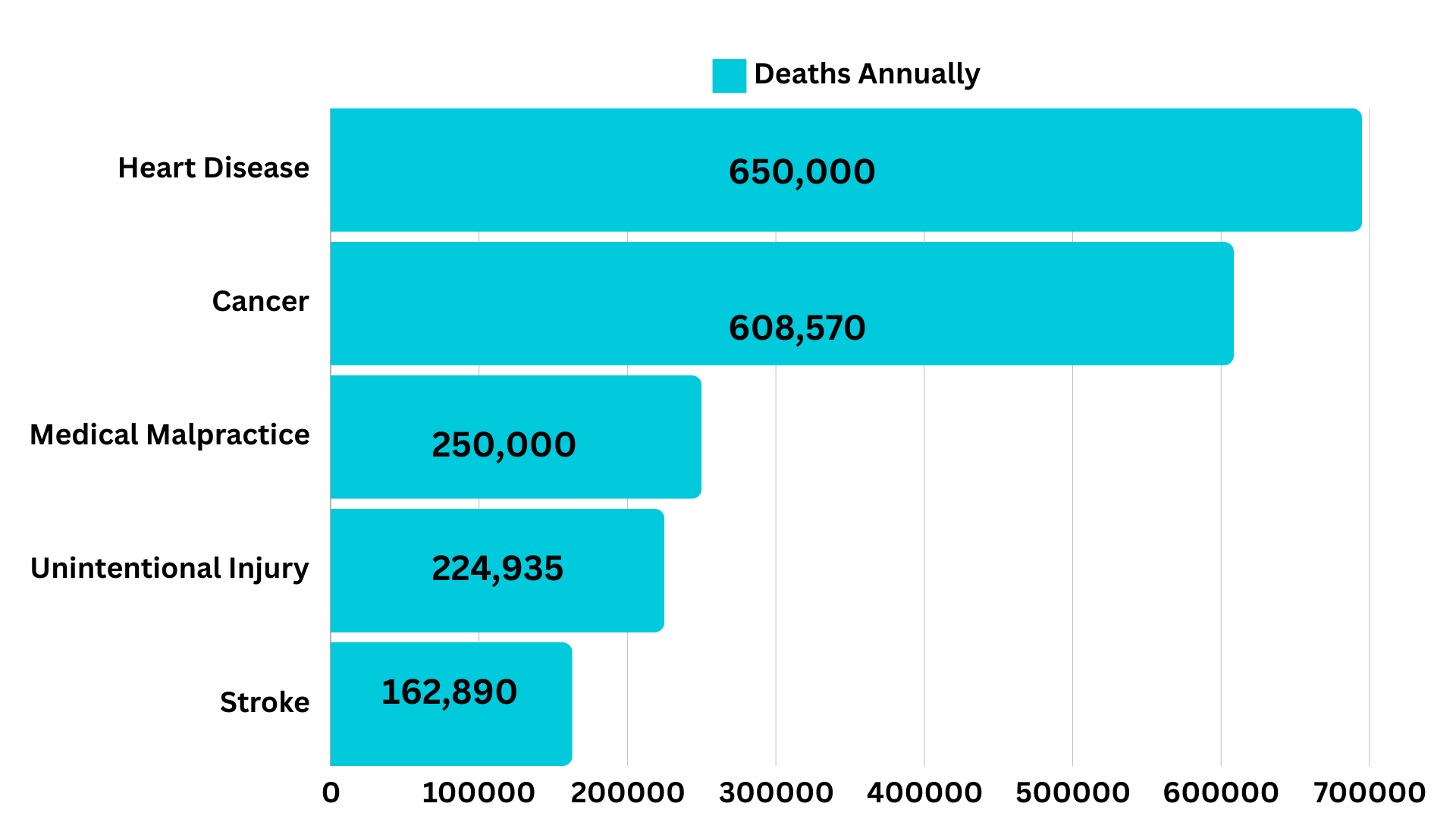
Before exploring malpractice trends, it is essential to get a sense of the healthcare landscape. The Centers for Disease Control and Prevention (CDC) identifies the top five causes of death in the U.S. as:
Heart Disease
Cancer
Chronic lower respiratory diseases
Accidents (Unintentional Injuries)
Stroke
These conditions often require specialized medical attention, and complications or dissatisfaction with treatment can sometimes lead to legal action.Source: https://www.buchananfirm.com/wp-content/uploads/2023/01/650000-Deaths-Annually.pngAccording to a New England Journal of Medicine study, approximately 7.4% of doctors face a malpractice claim annually, with specialists treating life-threatening conditions experiencing even higher rates. The risks that healthcare professionals face when treating serious medical conditions are highlighted by this figure.High-risk professions include emergency medicine, cardiology, and oncology, involved in definite and often serious medical conditions. This increases their vulnerability to malpractice lawsuits. Given that life-threatening conditions take a huge emotional toll on patients and families, they may feel justified in threatening litigation if things don’t go as planned.
The Most-Sued Medical Specialties
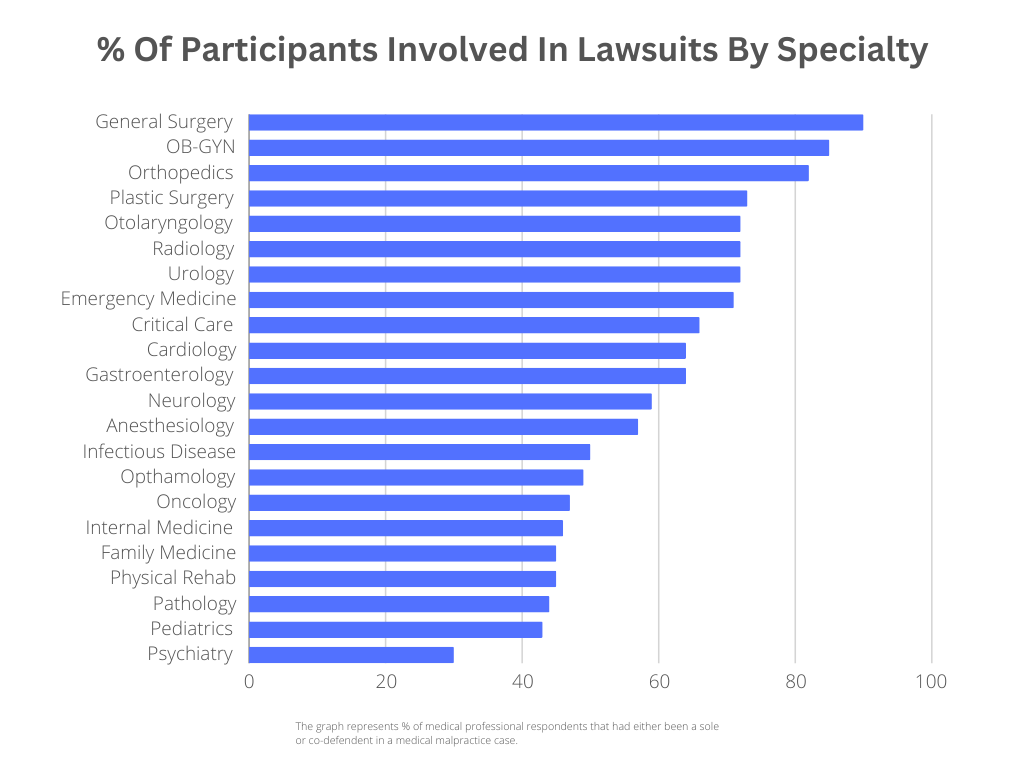
Source: https://www.buchananfirm.com/wp-content/uploads/2023/01/The-graph-represents-of-medical-professionals-that-1.pngCertain medical specialties are under greater threat from lawsuits, mainly due to their practice nature. According to the 2023 Medscape survey, the specialties with the highest percentages of physicians facing at least one malpractice claim in their careers are:
General Surgery: 90%
Obstetrics and Gynecology (OB-GYN): 85%
Orthopedics: 82%
Plastic Surgery: 73%
Otolaryngology: 72%
Radiology: 72%
Urology: 72%
Emergency Medicine: 71%
Critical Care: 66%
Cardiology: 64%
These statistics highlight the specialties most susceptible to malpractice claims, often due to the high-risk nature of their procedures and patient interactions.The findings emphasize the legal risks associated with high-stakes medical specialties, often due to complex procedures, diagnostic errors, or treatment complications.Let’s take a closer look at some of these specialties that, according to different studies and industry reports, usually are faced with the most lawsuits:
Obstetrics and Gynecology
Gynecologists and obstetricians face some of the highest malpractice risks in the medical industry. The cause of litigation for this department is likely due to such problems as misdiagnosed gynecological conditions, birth injuries, and pregnancy complications. High patient expectations and life-altering outcomes contribute to litigation risks. The emotional toll of adverse events further heightens vulnerability. The high stakes of childbirth and long-term impacts on both mother and child make this specialty particularly vulnerable.Furthermore, complications or missed diagnoses during hysterectomies and cancer screenings can lead to significant malpractice payouts. The emotional and physical consequences of errors in gynecology increase the likelihood that a litigious matter will arise.
General Surgeons
Invasive procedures, which are inherently risky, are a common task for general surgeons. Poor postoperative results, infections, and surgical errors are frequent causes of malpractice lawsuits.Patients who experience complications or poor outcomes from routine surgeries like appendectomies or hernia repairs may pursue lawsuits. The complexity of surgeries and the potential for life-altering consequences contribute to this specialty’s high malpractice rates.
Orthopedic Surgery
Orthopedic surgeons carry out procedures such as joint replacements and spinal surgeries. However, when mistakes occur during these surgeries or patients end up with disappointing results, like decreased mobility or ongoing pain, it can lead to legal disputes.With an aging population increasing the demand for orthopedic surgeries, both the number of procedures and the risk of malpractice claims are rising. Patients typically have high hopes for regaining their mobility, and if the results don’t meet those expectations, it can easily lead to lawsuits.
Radiologists
Radiologists play a critical role in diagnosing medical conditions. Errors in interpretation of imaging studies can lead to serious consequences. The most common malpractice claims against radiologists involve missed cancer diagnoses or misinterpretation of fractures, often resulting in lawsuits.Delays in diagnosis severely affect the patients’ health and can be especially critical in the diagnosis of cancer or other essential diseases. For this reason, a radiologist must ensure that they operate with a very high degree of accuracy, since even the slightest mistake can have detrimental effects on a patient’s health.
Emergency Medicine
Emergency medicine specialists frequently make split-second decisions in critical situations, increasing the risk of misdiagnosis and treatment errors. Lawsuits frequently arise when patient outcomes differ from expected results, particularly in high-stakes emergency scenarios.The fast-paced environment of emergency departments, along with the little time available for making accurate diagnoses, makes this field one of the riskiest in medicine. Misdiagnosing serious conditions like heart attacks, strokes, or infections can result in serious legal repercussions.
Plastic Surgery
Elective procedures tend to create inflated expectations for patients, leading them to be more inclined to take legal action against their plastic surgeon if the results don’t meet what they envisioned.Many lawsuits stem from patient dissatisfaction with cosmetic surgery results or complications that arise during the procedure. Patients seeking aesthetic enhancement are more likely to sue the physician if the result is, to them, unsatisfactory.Additionally, the subjective nature of beauty makes it challenging to satisfy every patient, increasing the likelihood of litigation. Common procedures such as rhinoplasty, breast augmentation, and liposuction are frequently cited in lawsuits, especially when results fall short of patient expectations or complications arise. This mix of high aesthetic expectations and medical risks makes plastic surgery a particularly prone field for legal issues.Source: https://www.buchananfirm.com/wp-content/uploads/2023/01/map2-2048×1379.png
Cardiology
Cardiologists treat severe medical conditions like arrhythmias and heart attacks. Substantial malpractice claims can arise from medication errors, procedural mistakes, or delays in diagnosis. Due to the serious nature of cardiovascular diseases, even small mistakes can have dire consequences. The intricate nature of heart treatments, combined with the high mortality rates linked to cardiac problems, makes cardiology one of the most frequently litigated areas in medicine.
Urology
Urologists provide a range of treatments, both surgical and non-surgical, for conditions such as kidney stones, prostate problems, and urinary tract infections. Complications arising from surgeries or misdiagnosed cancers often lead to legal disputes. Delays in diagnosing cancers, especially prostate and bladder cancers, can result in substantial claims. To reduce the likelihood of litigation, Urologists must carefully weigh the advantages and disadvantages of conservative management versus surgical treatment.
Otolaryngology
Otolaryngologists frequently face lawsuits related to cancer diagnosis, sinus surgery, and hearing loss treatment. Misdiagnosis and complications from surgery are the main reasons behind these lawsuits. Procedures that involve sensitive areas, like the vocal cords or inner ear, demand a high level of precision. Any harm caused or failure to meet expected results can lead to legal repercussions.
Anesthesiologists
Every surgery requires an anesthesiologist to supervise sedation and pain relief. Anesthesia administration errors, whether committing the dosage or briefly neglecting patient monitoring, may result in very serious consequences, including possible litigation.Malpractice suits are more common in fields where errors can result in severe harm or death. Hence, anesthesiologists must always be on guard against any occurrence that may jeopardize the safety and health of their patients.
Certain specialties, such as obstetrics and surgery, involve greater risks because of the complexity and potential severity of their outcomes. As a result, high-risk medical specialties generally face higher insurance premiums. The likelihood of litigation increases with the invasiveness and life-altering nature of the procedures involved.
B. Legal and Geographic Variability
Malpractice laws and litigation rates vary by state, influencing insurance costs. States with higher rates of litigation or larger settlement amounts typically have higher premiums. For example, doctors in Florida or New York pay a lot more for malpractice insurance than doctors in less litigious states.
C. Technological Advancements
New technologies can improve patient outcomes but also introduce unforeseen risks. For example, robotic surgery offers less invasive procedures and increased precision, but the risk of operator error or technical malfunctions can be increased due to its complexity and the learning curve for surgeons.Physicians using these innovations must undergo rigorous training to lower risks and ensure patient safety. Physicians who use new technologies may be more vulnerable to malpractice lawsuits in the early stages of their adoption. Both potential advantages and disadvantages exist for advanced robotic surgery and AI-assisted diagnostics.
D. Defensive Medicine
When doctors choose to order extra tests or procedures mainly to shield themselves from potential lawsuits, it’s referred to as defensive medicine. Although defensive medicine increases healthcare costs, it does not eliminate the risk of lawsuits. Although defensive medicine might help in avoiding litigation, it can also expose patients to unnecessary tests and expenses.
E. Claim Severity vs. Frequency
While some specialties deal with fewer claims but larger settlement amounts, others deal with more claims overall. Insurers can determine premiums by knowing whether a specialty is likely to see a lot of low-value lawsuits or a few high-value ones. Settlements for high-severity claims involving catastrophic injuries frequently total millions of dollars.Understanding malpractice risks helps patients and medical professionals foster a safer and more transparent healthcare system. Healthcare providers should reduce errors, improve communication, and implement best practices to minimize lawsuits while delivering high-quality care.
Specialties with the highest malpractice lawsuit rates typically include neurosurgery, obstetrics and gynecology (OB/GYN), general surgery, orthopedic surgery, and emergency medicine. These fields involve high-risk procedures, critical decision-making, and severe patient outcomes, which increase the likelihood of claims. Physicians in these specialties often face repeated exposure to litigation over the course of their careers.
Malpractice insurance premiums are directly tied to claim frequency and severity. High-risk specialties deal with complex procedures and life-threatening conditions, where even minor errors can result in significant harm or large financial settlements. Insurers price policies based on historical loss data, making premiums significantly higher for specialties with a track record of costly claims.
A physician’s claims history plays a major role in determining future insurance costs. Frequent or severe claims can lead to premium increases, policy restrictions, or difficulty obtaining coverage. Even a single large payout can impact long-term insurability, as insurers reassess the provider’s risk profile using actuarial models.
Yes, specialties like obstetrics, neurosurgery, and anesthesiology are more vulnerable to high-value claims due to the potential for catastrophic injuries, such as birth-related disabilities or permanent neurological damage. These cases often involve long-term care costs, loss of income, and significant non-economic damages, driving up settlement amounts.
High-risk specialists can lower insurance costs by adopting strong risk management practices, such as thorough documentation, clear patient communication, adherence to clinical guidelines, and ongoing training. Participating in patient safety programs, maintaining a clean claims history, and comparing multiple insurers can also help secure more competitive premium rates.
About the Author
Nicholas Garofalo
Nicholas Garofalo is the CEO of PLI Consultants, a top provider of medical malpractice insurance in Florida, Georgia, and Tennessee. With deep expertise in healthcare liability and malpractice insurance strategy.
Contains information related to marketing campaigns of the user. These are shared with Google AdWords / Google Ads when the Google Ads and Google Analytics accounts are linked together.
90 days
__utma
ID used to identify users and sessions
2 years after last activity
__utmt
Used to monitor number of Google Analytics server requests
10 minutes
__utmb
Used to distinguish new sessions and visits. This cookie is set when the GA.js javascript library is loaded and there is no existing __utmb cookie. The cookie is updated every time data is sent to the Google Analytics server.
30 minutes after last activity
__utmc
Used only with old Urchin versions of Google Analytics and not with GA.js. Was used to distinguish between new sessions and visits at the end of a session.
End of session (browser)
__utmz
Contains information about the traffic source or campaign that directed user to the website. The cookie is set when the GA.js javascript is loaded and updated when data is sent to the Google Anaytics server
6 months after last activity
__utmv
Contains custom information set by the web developer via the _setCustomVar method in Google Analytics. This cookie is updated every time new data is sent to the Google Analytics server.
2 years after last activity
__utmx
Used to determine whether a user is included in an A / B or Multivariate test.
18 months
_ga
ID used to identify users
2 years
_gali
Used by Google Analytics to determine which links on a page are being clicked
30 seconds
_ga_
ID used to identify users
2 years
_gid
ID used to identify users for 24 hours after last activity
24 hours
_gat
Used to monitor number of Google Analytics server requests when using Google Tag Manager
1 minute
Marketing cookies are used to follow visitors to websites. The intention is to show ads that are relevant and engaging to the individual user.
Facebook Pixel is a web analytics service that tracks and reports website traffic.