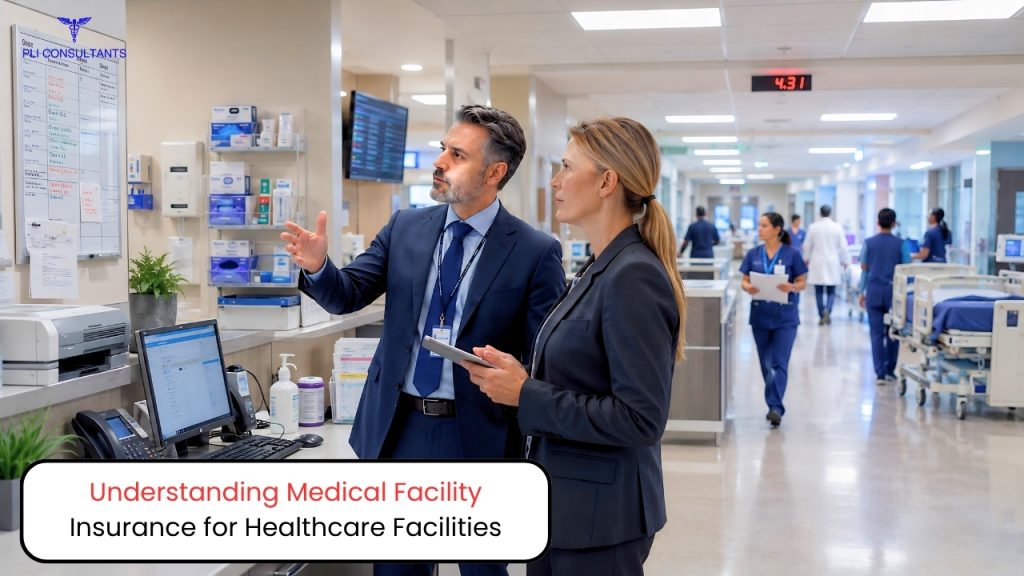
Healthcare today operates in a highly complex and risk-intensive environment, where clinical care, technology, and regulation intersect. Medical facilities must navigate not only patient care challenges but also increasing exposure to legal, financial, and operational risks.
Rising malpractice claims, higher litigation costs, and stricter compliance standards have made structured risk management essential rather than optional. At the same time, the growth of telemedicine, digital health platforms, and data-driven systems has expanded the risk landscape—introducing concerns such as cybersecurity threats, data breaches, and multi-jurisdictional liability.
As a result, healthcare organizations are shifting from reactive incident response to proactive risk management frameworks. This approach focuses on identifying, mitigating, and preventing risks before they escalate.
At the core of this strategy is medical facility insurance, which serves as a critical safeguard—protecting institutions against financial loss, supporting regulatory compliance, and ensuring long-term operational stability.
QUICK SUMMARY
- Medical facility insurance is a multi-layered protection system for healthcare organizations — covering clinical, legal, operational, and cyber risks.
- Unlike individual malpractice coverage, facility-level insurance protects the entire institution: staff, infrastructure, and operations.
- Key coverage types include professional liability, general liability, cyber, property, and workers’ compensation insurance.
- Integrating insurance into a broader Enterprise Risk Management (ERM) strategy reduces costs, improves compliance, and boosts patient trust.
- Emerging risks — AI-driven diagnostics, telehealth liability, and ransomware — are reshaping what coverage healthcare facilities must carry.
- Partnering with expert insurance consultants (like PLI Consultants) ensures your coverage matches your real-world risk exposure.
What Is Medical Facility Insurance?
Medical facility insurance is a comprehensive set of policies specifically designed to protect healthcare organizations from the wide spectrum of financial losses that arise from clinical, operational, and legal risks. In an industry where a single adverse event can trigger multi-million-dollar lawsuits or devastating regulatory penalties, this coverage is not optional it is a foundational pillar of sound healthcare management. It protects hospitals, clinics, and other healthcare organizations from financial losses due to malpractice claims, property damage, data breaches, employee injuries, and regulatory violations, covering the institution as a whole, not just individual practitioners.
Individual vs. Facility-Level Coverage
Understanding the distinction between these two policy types is critical for any healthcare administrator:
- Covers the personal liability of a doctor, nurse, or healthcare provider for their specific clinical actions.Individual Malpractice Insurance:
- Covers institutional risks broadly, including all staff actions, premises liability, systemic operational failures, data security, and regulatory compliance.Facility-Level Insurance:
The primary role of liability insurance that healthcare facilities rely on is to ensure financial protection while supporting operational resilience in the face of lawsuits, compliance issues, and unexpected disruptions. Together, these two layers create a complete safety net for modern healthcare delivery.
Key Types of Medical Facility Insurance Coverage
To effectively support healthcare risk management, facilities typically rely on a portfolio of complementary insurance types. Each policy addresses a distinct category of risk, and together they form a layered, interlocking protection system.
Professional Liability Insurance (Malpractice)
Covers claims related to medical negligence, misdiagnosis, surgical errors, or improper treatment. This is the cornerstone of any healthcare insurance portfolio and is often required for hospital accreditation. Claims can easily run into millions of dollars, making adequate limits critical.
General Liability Insurance
Protects against non-clinical risks such as patient slips and falls, property damage caused to third parties, or personal injury claims occurring on facility premises. Particularly important for high-traffic facilities like hospitals and urgent care centers.
Cyber Liability Insurance
Covers data breaches, ransomware attacks, and unauthorized exposure of protected patient information (PHI). As healthcare becomes increasingly digitized, cyber threats represent one of the fastest-growing liability categories. The average cost of a healthcare data breach exceeded $10 million in recent years.

Property Insurance
Protects physical assets, including buildings, medical equipment, diagnostic machinery, and IT infrastructure from damage due to fire, flood, theft, or natural disasters. Business interruption coverage is often bundled here to compensate for lost revenue during downtime.
Workers’ Compensation
Covers employee injuries and workplace-related health issues — from needle-stick injuries to musculoskeletal strain from patient handling. Healthcare workers face some of the highest workplace injury rates of any industry sector.
📌 Pro Tip: Many healthcare facilities underestimate their cyber liability exposure. A single ransomware attack that takes hospital systems offline for even 24–48 hours can result in millions of dollars in losses — far exceeding premium costs for robust cyber coverage.
Understanding Risk Management in Healthcare Systems
Healthcare risk management involves proactively identifying threats, clinical, operational, financial, and regulatory, and implementing strategies to reduce their likelihood and impact. It works hand-in-hand with insurance to create a comprehensive shield around the organization.
Core Objectives of Healthcare Risk Management
- Patient Safety: Minimizing clinical errors, adverse events, and preventable harm through protocols, training, and accountability systems.
- Financial Stability: Reducing exposure to costly lawsuits, regulatory penalties, and claims that can destabilize organizational finances.
- Regulatory Compliance: Meeting evolving legal and accreditation requirements across federal, state, and accrediting body standards.
- Reputation Protection: Safeguarding the trust of patients, staff, and the community, which is often the hardest asset to rebuild after a crisis.
Major Risk Categories in Modern Healthcare
Healthcare facilities face an expanding and evolving range of risk categories, each requiring specific mitigation strategies:
Risk Category | Key Examples |
Clinical Risks | Diagnostic errors, surgical complications, medication mistakes, anesthesia incidents, infection control failures |
Operational Risks | Staffing shortages, communication breakdowns, documentation gaps, supply chain failures |
Regulatory Risks | HIPAA violations, licensing issues, CMS audit failures, accreditation non-compliance |
Financial/Legal Risks | Malpractice lawsuits, settlements, rising legal defense costs, billing fraud investigations |
Emerging Risks | AI-driven diagnostic liability, telemedicine cross-jurisdiction issues, ransomware and cybersecurity threats |
How Medical Facility Insurance Supports Risk Management?
Insurance and risk management are not competing strategies — they are complementary disciplines that reinforce each other. Here is how medical facility insurance actively supports every dimension of healthcare risk management:
Financial Risk Transfer and Protection
One of the most critical roles of medical facility insurance is transferring financial risk from the healthcare provider to the insurer. Policies cover legal defense costs, settlements, judgments, and investigation expenses — often reaching tens of millions of dollars in complex cases.
Without this protection, even a single malpractice claim could result in catastrophic financial loss. Insurance ensures that healthcare facilities can absorb such shocks without compromising day-to-day patient care or capital investment plans.
Enhancing Risk Identification and Assessment
Insurance providers and brokers are not passive parties — they play a vital role in identifying potential vulnerabilities within healthcare systems. Through detailed risk assessments, claims history analysis, and industry benchmarking, they help facilities understand where their greatest exposures lie.
This intelligence-driven process strengthens healthcare risk management by aligning insurance policies with real-world, facility-specific exposure rather than generic industry averages.
Encouraging Proactive Risk Mitigation
Insurance is not just reactive — it actively promotes better clinical and operational practices. Facilities that implement strong risk management programs often benefit from lower premiums, reduced claim frequency, and improved operational efficiency. Insurers actively incentivize staff training programs, accurate clinical documentation, infection control protocols, and robust safety systems. This creates a positive feedback loop where better risk management leads to lower costs, and lower costs free up resources for further improvements.
Supporting Regulatory Compliance
Compliance is a major and growing component of healthcare risk. Federal and state regulations — including HIPAA, CMS conditions of participation, and state licensing requirements — are constantly evolving. Medical facility insurance helps by covering legal costs associated with compliance investigations, providing access to legal and regulatory expertise, and supporting organizational adherence to industry standards. This significantly reduces the administrative burden on healthcare leaders and helps organizations stay ahead of regulatory changes rather than scrambling to react to them.
Ensuring Operational Continuity
Legal disputes and claims can severely disrupt healthcare operations — diverting leadership attention, freezing capital, and damaging staff morale. Without adequate insurance coverage, facilities may face financial strain that directly impacts patient care quality and access. Medical facility insurance ensures continuity of services during litigation, provides financial stability throughout the claims process, and protects the long-term viability and mission of the organization. In essence, it acts as a safeguard for both financial health and the patient trust that healthcare organizations depend upon.
The Role of Insurance in Enterprise Risk Management (ERM)
Modern healthcare organizations are increasingly adopting Enterprise Risk Management (ERM) frameworks — a holistic, organization-wide approach to identifying and managing risk. Within these frameworks, insurance plays a fully integrated, strategic role rather than functioning as a standalone compliance checkbox.
When insurance is embedded into ERM, it aligns directly with:
- Quality improvement and patient safety programs
- Strategic capital planning and investment decisions
- Board-level governance and fiduciary responsibility
- Accreditation and regulatory compliance initiatives
Enterprise Risk Management (ERM) in healthcare is a structured framework that identifies, assesses, and manages all organizational risks holistically. Insurance is a key pillar of ERM — it provides the financial backstop that makes proactive risk-taking and organizational growth possible.
Modern Challenges Shaping Healthcare Risk & Insurance Needs
The healthcare landscape is evolving rapidly, and emerging risks are creating insurance needs that did not exist even five years ago. Healthcare administrators and risk managers must stay ahead of these trends to ensure their coverage remains adequate.
Cybersecurity Threats
Healthcare is the most targeted industry for cyberattacks globally. Data breaches and ransomware attacks targeting electronic health records (EHRs), billing systems, and connected medical devices are accelerating in frequency and severity. A robust cyber liability policy is no longer optional — it is mission-critical.
Telehealth and Cross-Jurisdictional Liability
The rapid expansion of telemedicine has introduced complex liability questions around cross-state licensing, standard-of-care obligations across jurisdictions, and the adequacy of virtual care for various conditions. Many standard policies do not automatically cover telehealth services — a dangerous gap that facilities must explicitly address.

AI-Driven Diagnostics and Algorithmic Accountability
As artificial intelligence becomes embedded in diagnostic imaging, treatment recommendations, and risk stratification tools, questions of liability for AI errors are increasingly urgent. Who is responsible when an algorithm misses a cancer diagnosis? Insurers and healthcare attorneys are actively developing new frameworks to address this emerging frontier.
Increasing Regulatory Scrutiny
Federal and state regulators are intensifying oversight across billing practices, patient privacy, clinical outcomes, and facility safety. The cost of non-compliance — in both fines and reputational damage — is rising, making compliance-linked insurance coverage more important than ever.
Benefits of Integrating Insurance into Risk Management Strategy
When medical facility insurance is fully and strategically integrated into a healthcare organization’s risk management framework, the benefits extend far beyond simple financial protection:
- Reduced Financial Volatility: Protection against unpredictable, high-severity claims allows for more stable budgeting and capital planning.
- Improved Compliance Readiness: Better alignment with regulations reduces the risk of costly violations and enables faster response when requirements change.
- Enhanced Patient Trust: Demonstrating a commitment to safety, accountability, and financial stability builds lasting confidence among patients and the community.
- Long-Term Cost Control: Lower claims frequency — achieved through proactive risk management — leads to reduced premiums and better terms at renewal.
- Competitive Advantage: Organizations with robust risk and insurance programs attract better talent, preferred payer contracts, and stronger community partnerships.
- Faster Recovery from Adverse Events: With financial backing and legal support in place, facilities can focus energy on resolution and improvement rather than crisis survival.
How to Choose the Right Medical Facility Insurance
Selecting the right insurance portfolio requires a strategic, data-driven approach tailored to your specific facility type, patient population, and operational profile. Generic, off-the-shelf policies rarely provide adequate protection for the complexities of modern healthcare.
Key Factors to Evaluate
- Coverage limits and exclusions: Ensure limits are sufficient for your specialty mix and claims history. Understand exactly what is — and is not — covered.
- Facility size and specialization: A large trauma center faces very different risks than a small specialty clinic. Coverage must match the risk profile.
- Claims history and loss runs: A thorough analysis of prior claims guides appropriate coverage levels and highlights areas needing risk mitigation investment.
- Multi-state or multi-location operations: Organizations operating across state lines must address varying regulatory requirements and potential jurisdictional gaps.
- Emerging risk exposure: Assess your telehealth volume, AI tool usage, and cybersecurity posture — these are increasingly significant rating factors.
Why Should Healthcare Facilities Work with Insurance Specialists Like PLI Consultants?

Navigating the complexities of healthcare liability insurance is a specialized discipline — and the stakes are too high to get it wrong. Experienced advisors like PLI Consultants add significant value in the following ways:
- Policy Comparison: They compare policies across top-rated carriers to find optimal coverage at competitive pricing.
- Custom Coverage: They customize coverage structures based on your facility’s unique risk exposure and operational profile.
- Simplified Process: They simplify the application and renewal process, reducing administrative burden on your team.
- Specialty Expertise: They provide deep expertise in high-risk specialties such as surgery, obstetrics, and emergency medicine.
- Regulatory Awareness: They stay current on emerging risks and regulatory changes that may require policy adjustments.
Partnering with specialists ensures your insurance strategy is aligned with your overall hospital risk management objectives — not just the minimum required by law or accreditors.
Common Mistakes Healthcare Facilities Make
Even well-established, well-resourced healthcare organizations can make critical insurance and risk management errors. Awareness of these common pitfalls is the first step to avoiding them:
- Assuming telehealth is automatically covered: Standard policies often exclude telemedicine services entirely. As virtual care volumes grow, this gap can represent enormous uninsured exposure.
- Underinsuring high-risk procedures: Facilities performing complex surgeries, high-risk obstetrics, or experimental treatments must ensure their professional liability limits reflect actual risk — not historical averages.
- Ignoring cyber liability coverage: Despite relentless news coverage of healthcare cyberattacks, many smaller facilities still carry minimal or no dedicated cyber insurance. This is an increasingly untenable position.
- Failing to update policies as operations evolve: Opening a new location, adding a service line, or adopting new technology changes your risk profile. Policies must be reviewed and updated continuously — not just at annual renewal.
- Over-relying on individual practitioner coverage: Assuming that practitioners’ own malpractice policies adequately cover institutional risk is a dangerous misconception that leaves significant liability gaps.
⚠️ Warning: Facilities that discover coverage gaps only after a claim is filed face the worst possible outcome — uninsured liability at the moment of maximum financial stress. Annual policy reviews with a qualified broker are a non-negotiable best practice.
Future Trends in Medical Facility Insurance
The future of medical facility insurance is being shaped by rapid technological change, evolving care models, and increasingly sophisticated data analytics. Healthcare organizations that anticipate these trends will be better positioned to secure favorable coverage and proactively manage emerging risks.
- Surge in Cyber Insurance Demand: As ransomware attacks on hospitals become more frequent and costly, cyber insurance will transition from a specialty add-on to a standard, mandatory component of every facility’s insurance portfolio.
- AI Liability Coverage Expansion: Insurers are actively developing new policy language and coverage structures specifically designed to address liability for AI-assisted diagnostic and treatment decisions.
- Data-Driven Underwriting Models: Insurers are increasingly using real-time operational data — including EHR safety metrics, staff training completion rates, and incident reporting trends — to price risk more precisely and reward high-performing facilities.
- Deeper ERM Integration: Insurance will become more tightly woven into enterprise risk management systems, with real-time dashboards linking coverage status to operational risk indicators and triggering proactive alerts.
- Parametric Insurance Products: Emerging parametric models — which pay out automatically when defined trigger events occur (e.g., a ransomware attack exceeding a threshold duration) — may offer healthcare facilities faster, more predictable claims resolution.
Conclusion:
In today’s complex healthcare environment, risk is unavoidable — but it can be managed, mitigated, and transferred effectively. The relationship between risk management and insurance is not transactional; it is symbiotic:
- Risk management = Prevention — reducing the likelihood and severity of adverse events before they occur.
- Insurance = Protection — ensuring financial resilience and operational continuity when adverse events do occur.
Together, these two disciplines form a comprehensive, integrated strategy that safeguards patients, protects providers, and ensures the long-term viability of healthcare organizations.
By integrating Medical Facility Insurance for Healthcare into broader healthcare risk management frameworks — and by working with expert advisors who understand the nuances of this rapidly evolving landscape — facilities can achieve long-term financial stability, regulatory compliance, and operational excellence.